Lawns
- Home
- Lawns
Benefits of a Real Lawn
A well-kept lawn is the heart of any garden, creating a lush, inviting space that
enhances your property’s appearance and provides the perfect setting for outdoor
living. Whether you prefer the traditional charm of real grass or the year-round
convenience of artificial turf, the right lawn can completely transform your outdoor
space.
Natural Beauty:
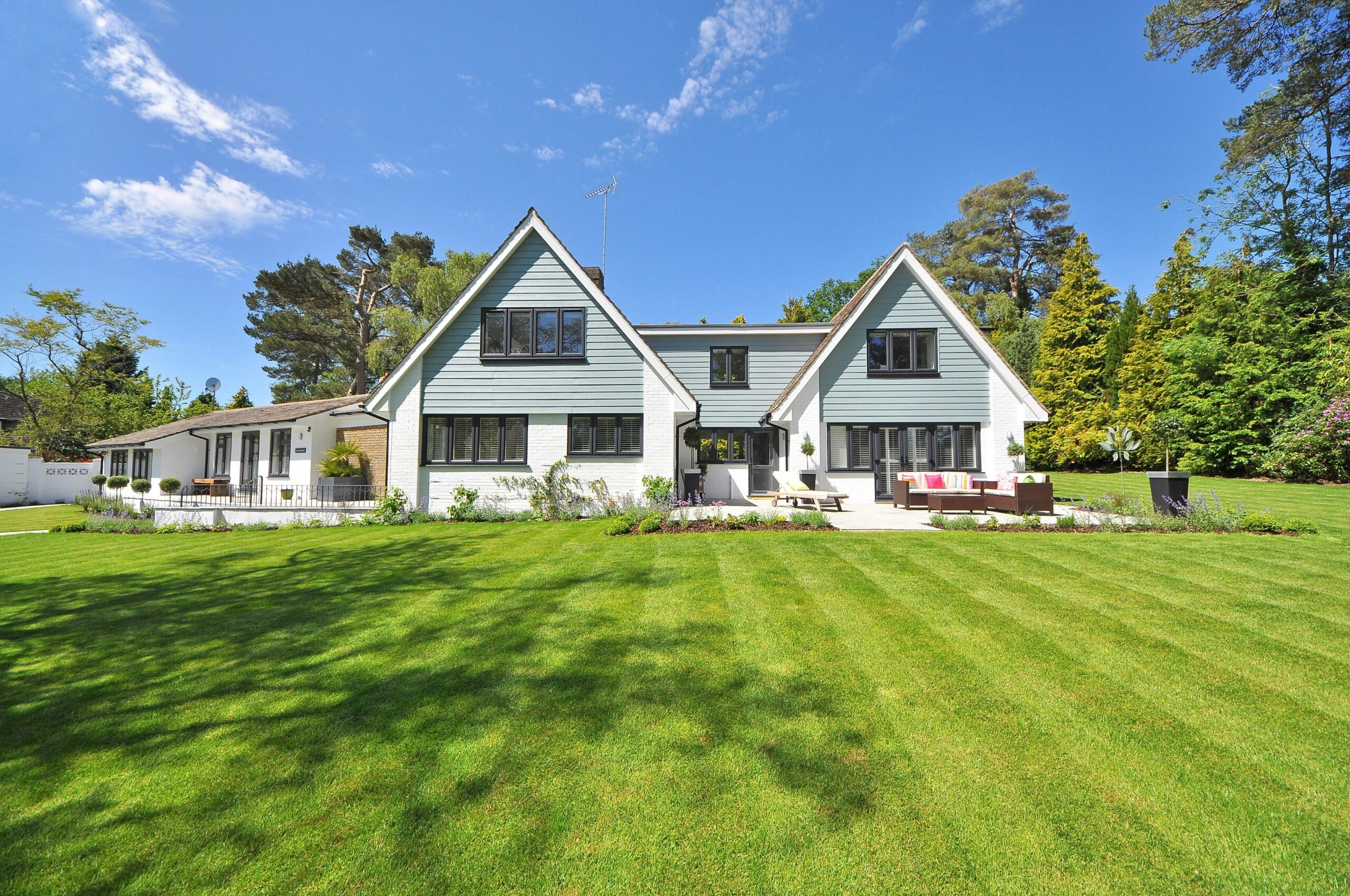
Nothing compares to the fresh, green appearance and soft texture of real grass. It provides a cooling effect in warm weather and brings a natural, organic feel to your garden.
Environmental Benefits:
Real lawns absorb carbon dioxide, produce oxygen, and help filter dust and pollutants from the air. They also support local ecosystems by providing habitat for insects and wildlife.
Cooling & Comfort:
Natural grass stays cooler underfoot compared to paving or artificial turf, making it comfortable for children and pets to play on during warmer months.
Benefits of an Artificial Lawn
Low Maintenance:
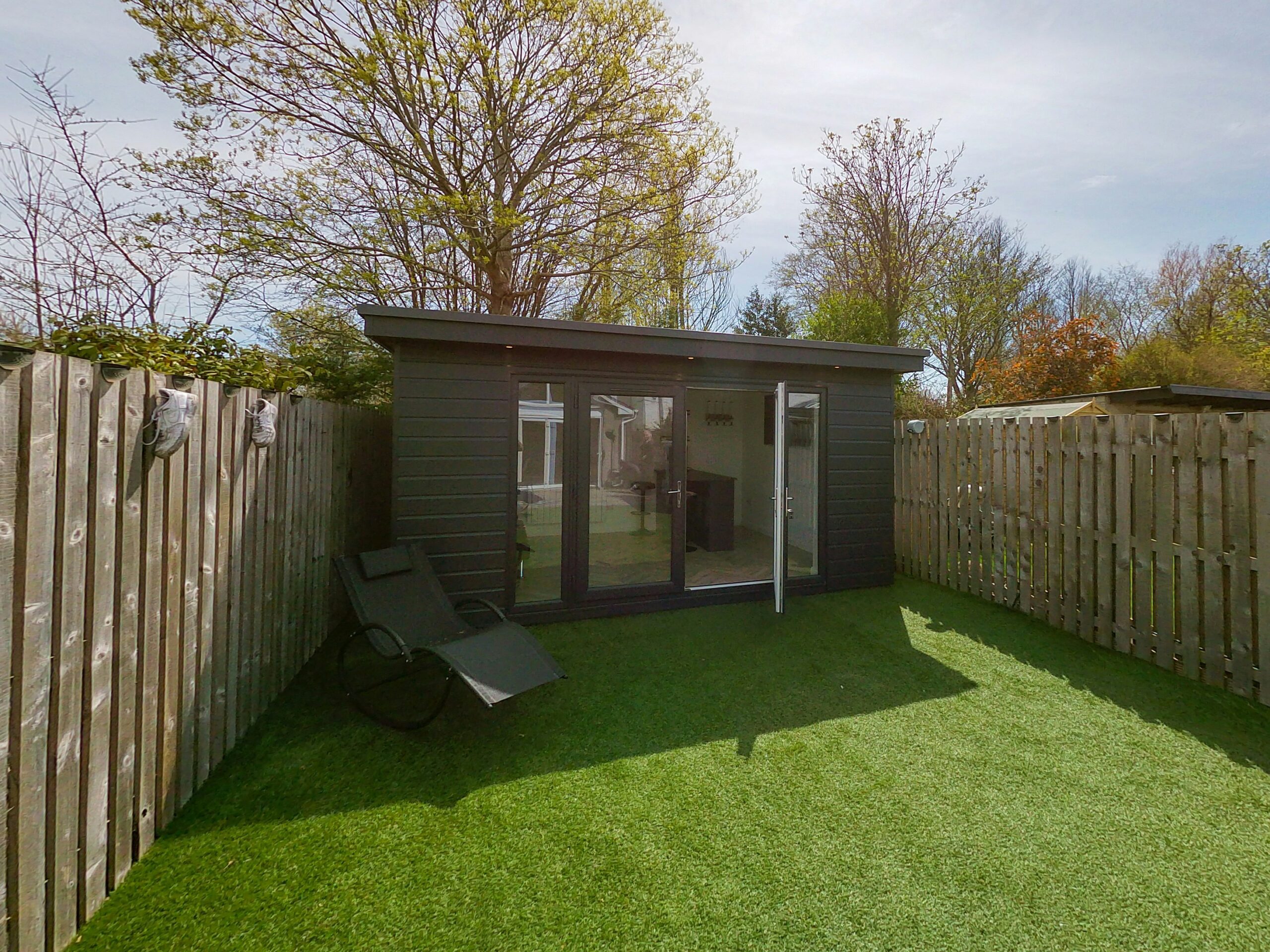
Artificial turf eliminates the need for mowing, watering, or feeding, saving time and ongoing maintenance costs.
All-Weather Use:
It remains green and tidy all year round, regardless of weather conditions, making it ideal for shaded areas or heavy-use gardens.
Durability:
Modern artificial grass is UV-resistant, pet-friendly, and designed to withstand regular use without becoming worn or muddy.
Water Conservation:
Artificial lawns help reduce water consumption — an environmentally conscious choice in areas prone to drought or water restrictions.
Installation Requirements
Real Lawns:
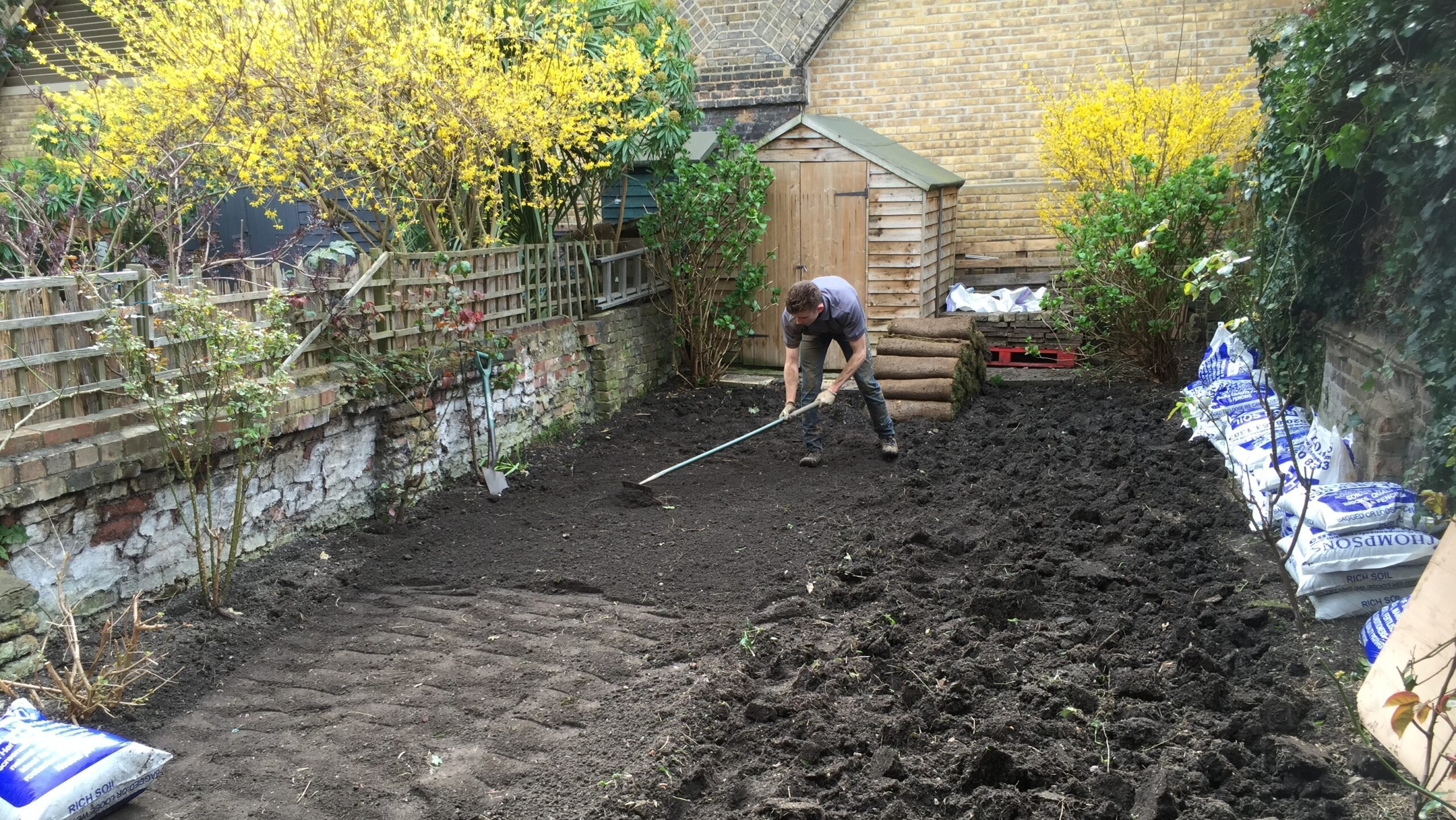
Successful turf or seed installation begins with thorough ground preparation. The area should be cleared of weeds and debris, the soil levelled, and enriched with quality topsoil. Turf should be laid on moist ground and watered immediately after installation. Proper drainage and sunlight exposure are essential for healthy growth.
Artificial Lawns:
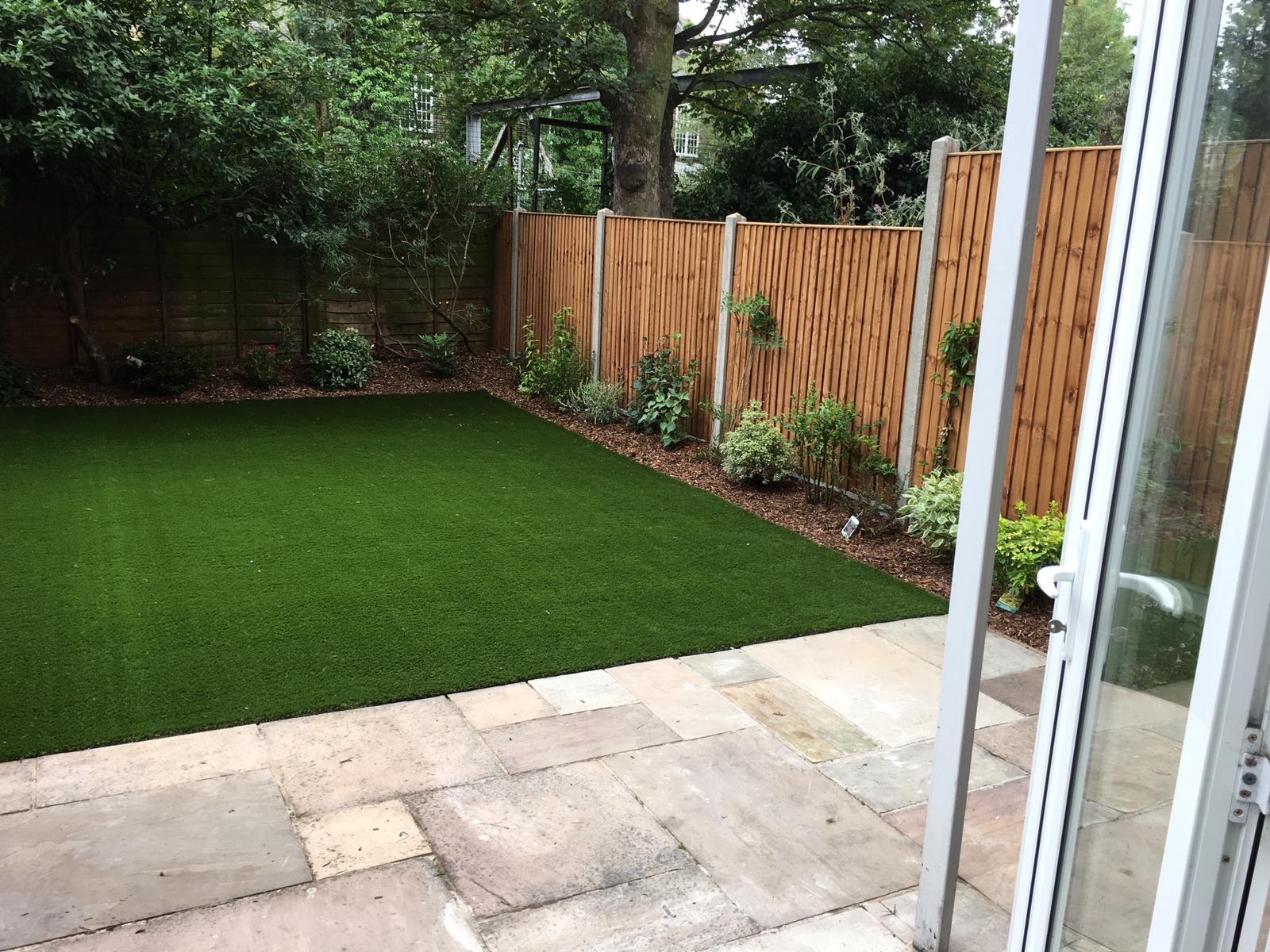
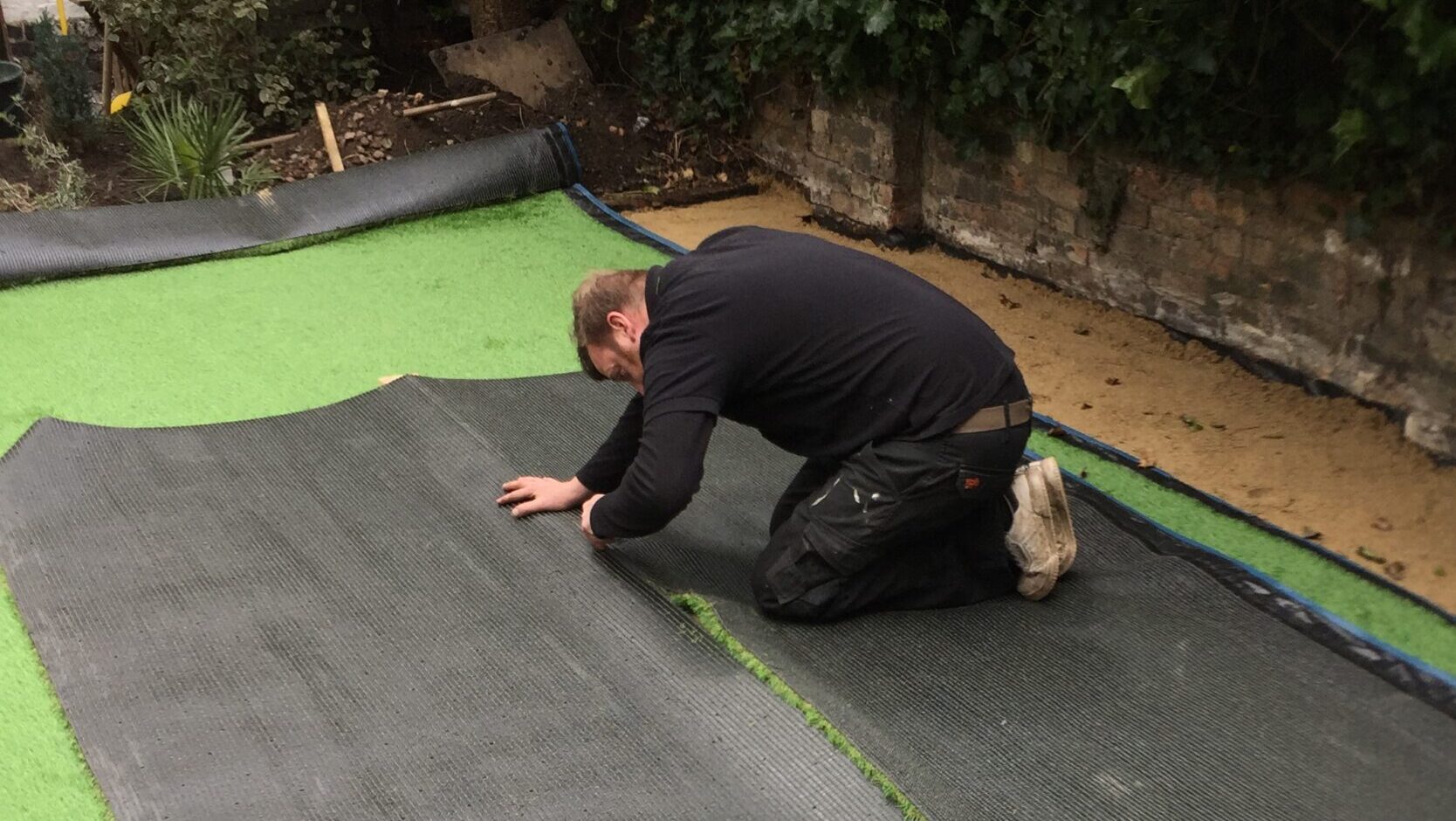
Installation involves removing the existing surface, levelling the ground, and creating a compacted sub-base (usually with crushed stone or sand) for stability. A weed membrane is then laid before the artificial turf is rolled out, trimmed, and secured. Joints are glued or taped, and sand infill may be brushed in for added support and a natural appearance.
Maintenance Requirements
Real Lawns:
Regular mowing, watering, and feeding are essential to maintain healthy growth and colour. Aeration and scarifying should be carried out periodically to prevent compaction and encourage strong root development. Weed and pest control help keep the lawn lush and uniform.
Artificial Lawns:
Although low-maintenance, artificial turf still benefits from occasional care. Brushing the surface helps keep the blades upright and debris-free. Rinsing with water removes dust or pet waste, and checking the infill and edging periodically ensures a neat, long-lasting finish.
Choosing the Right Lawn for Your Garden
When deciding between real and artificial grass, consider factors such as budget,
time for maintenance, local climate, and intended use. Real lawns offer unmatched
natural beauty and environmental benefits, while artificial lawns provide year-
round convenience and durability.
Whether you want the authentic look and feel of real turf or the practicality of
artificial grass, a well-designed lawn adds beauty, comfort, and value to your
property. With proper installation and care, your garden lawn can remain a
stunning centrepiece for years to come.
Our Service